Learn the key types of land before you buy land in Kerala. Practical checks, conversion issues and valuation tips to make safer, faster land decisions.
Types of Land You Must Know Before You Buy Land in Kerala
Buying land requires more than price comparison. In Kerala, legal classifications, ecological rules and local land use history shape value and permission timelines. This guide explains the main land types, practical checks for each and how to match land type to your goal so you can make faster, safer decisions when you buy land in Kerala.
Why land classification matters in Kerala
Land type determines permitted uses, conversion needs, tax treatment and development approvals. Municipal limits, panchayat rules and state revenue records influence whether you can build, cultivate or subdivide. Incorrect assumptions about use can delay projects or create legal risk.
Common land types and what each means for buyers
Residential land (plots and homestead)
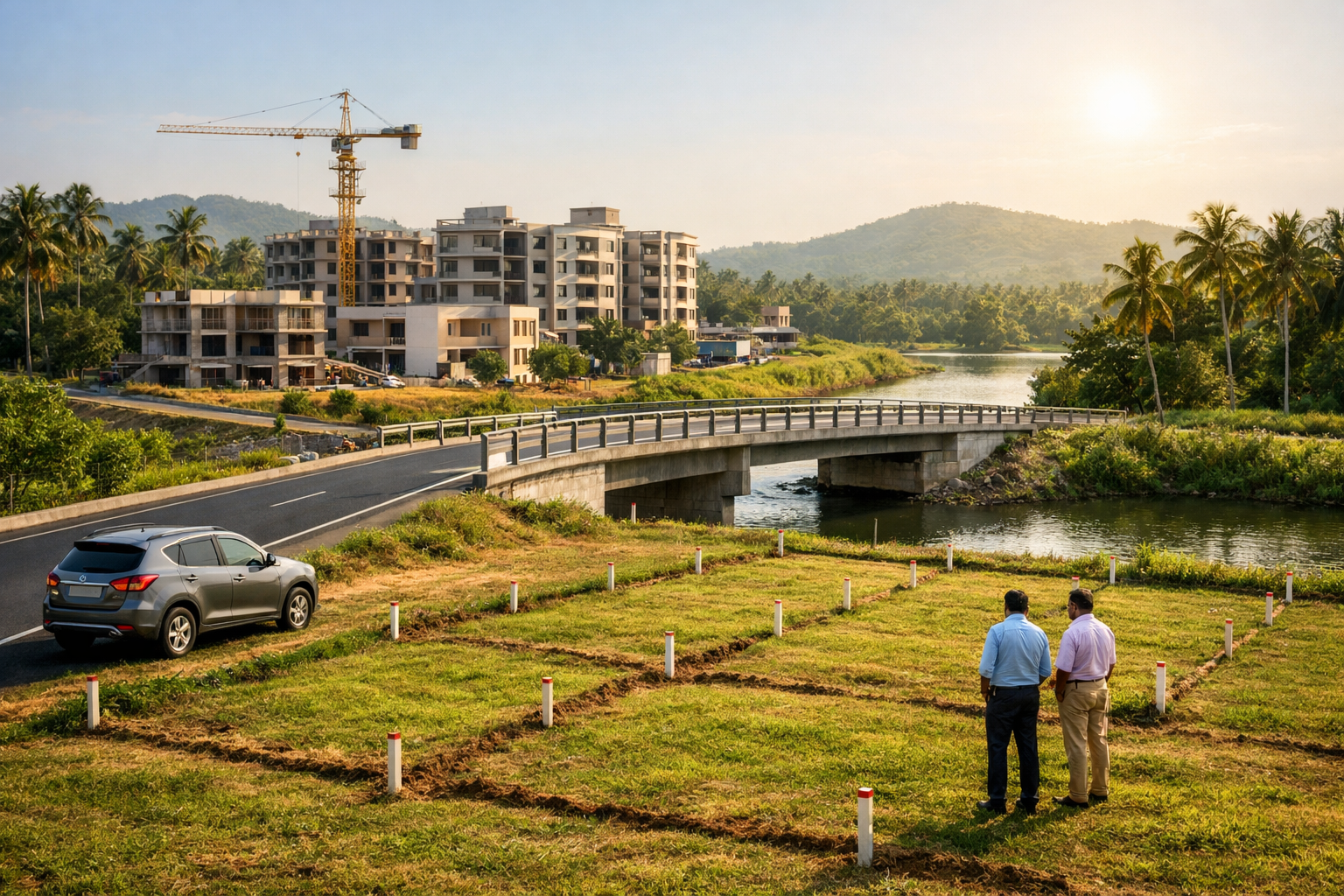
Typical purchase for home construction and small developments. Look for clear patta or title, approved building line, and whether the plot falls inside a municipality or gram panchayat, because permit paths differ. Check road access and utility hookups before purchase.
Agricultural land (paddy, wetland, farm plots)
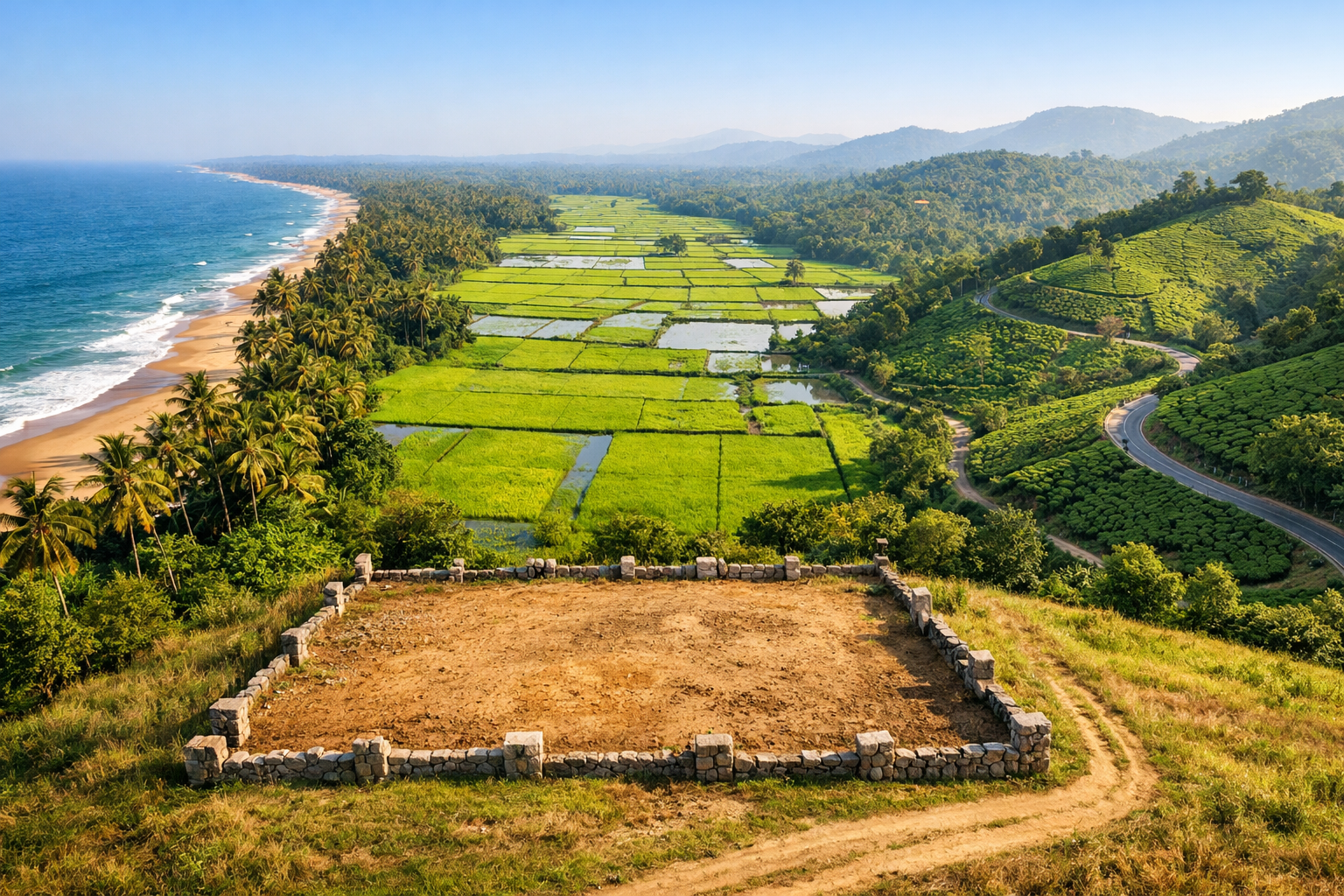
Classified as agricultural in revenue records. Converting to residential requires formal land conversion and local approvals. Paddy or wetland parcels often face stricter controls and may need environmental clearances.
Plantation and estate land
Large contiguous holdings used for crops such as rubber, tea or spices. Title and tenancy histories can complicate transfer. Monitor policy change: Kerala’s plantation reform discussions affect exemptions and development rights. Verify plantation-specific conditions before valuing potential.
Commercial land
Situated along arterial roads or inside planned commercial zones. Commercial classification speeds approval for shops or offices but may come with higher property tax and stricter zoning standards. Confirm permitted Floor Area Ratio and setbacks with local planning authority.
Poramboke, government and reserved land
Publicly owned or recorded as community/common land. Transfers usually do not occur to private buyers unless a clear government disposal process exists. Avoid buying parcels with poramboke records unless the seller provides verified de-notification documents.
Forest, ecologically sensitive and riparian strips
These areas have legal protections at state and national levels. Development approvals rarely succeed. Confirm presence of no-development buffers near rivers, wetlands or protected areas using local revenue maps and authoritative notices.
Practical checks by land type
- Title documents: patta, deed chain, encumbrance certificate.
- Land use and classification on revenue records.
- Conversion certificates when moving from agricultural to non-agricultural use.
- Local plan or zoning status from municipality or panchayat.
- Physical checks: access road, slope, flood risk and soil type.
- Tax receipts and pending litigation or mortgages.
Refer to the owner due diligence checklist for specific document templates and steps: Owner due diligence checklist for buying land in Kerala.
How to choose the right land type for your goal
Define primary use first: residence, farming, plantation, commercial development or investment. Match that purpose with land classification, conversion feasibility and local infrastructure. Use valuation guidance to compare sites on build-readiness and future resale potential.
For valuation and comparison methods see: How to Value Land in Kerala. If you consider plantation land, review policy updates and exemptions in the plantation buyer checklist: Kerala’s Proposed Plantation Reforms.
Quick decision checklist before making an offer
- Confirm title chain and no encumbrances for at least 30 years.
- Obtain land use certificate and check conversion timeline.
- Verify road access and basic utilities on site.
- Estimate infrastructure-led appreciation based on planned projects.
- Use a verified listing platform and expert review to cross-check claims.
Frequently Asked Questions
What documents prove land type in Kerala?
Patta, survey records and the revenue department classification show official land type. Encumbrance certificates and local zoning plans provide further proof.
Can agricultural land be converted for residential use?
Yes, but conversion requires applying to the local revenue or planning authority and meeting municipal or panchayat conditions. Time and cost vary by district and location.
How does plantation land differ from agricultural plots?
Plantation holdings typically span larger contiguous areas with commercial crops and may carry specific exemptions or restrictions tied to tenancy and estate law. Policy proposals can alter rights, so verify recent guidance.
What are poramboke lands and can I buy them?
Poramboke refers to common or government land. Buying such plots without clear de-notification and disposal records risks nullified transactions. Avoid unless you obtain official transfer documents.
How can I safely buy land in Kerala as an NRI?
Use verified listings, remote document verification and a clear due diligence checklist. Platforms with AI matching and verified listings reduce fraud risk and speed discovery. See remote transaction guides and verification tools on the platform.
Is there a simple way to compare land types for investment?
Create a matrix that scores build-permission time, conversion cost, tax implications and proximity to infrastructure. Then rank parcels by score to pick the best investment option.
Conclusion
Understanding land types prevents costly surprises. Verify classification, conversion needs and local rules before you commit funds. Use verified tools and expert checklists to speed review and reduce risk. Start your search on Kerala Plots for verified listings and documentation support.
Tags: Types of Land in Kerala, Land investment in Kerala, Residential land in Kerala, Best land investment options in Kerala, Agricultural land Kerala, Plantation land Kerala, Land conversion Kerala, Kerala property checklist, Buy land Kerala tips, Kerala plot valuation